Journal · Marketing
How to Market a New Clothing Brand and Get Your First Customers
2026-09-18 · 7 min
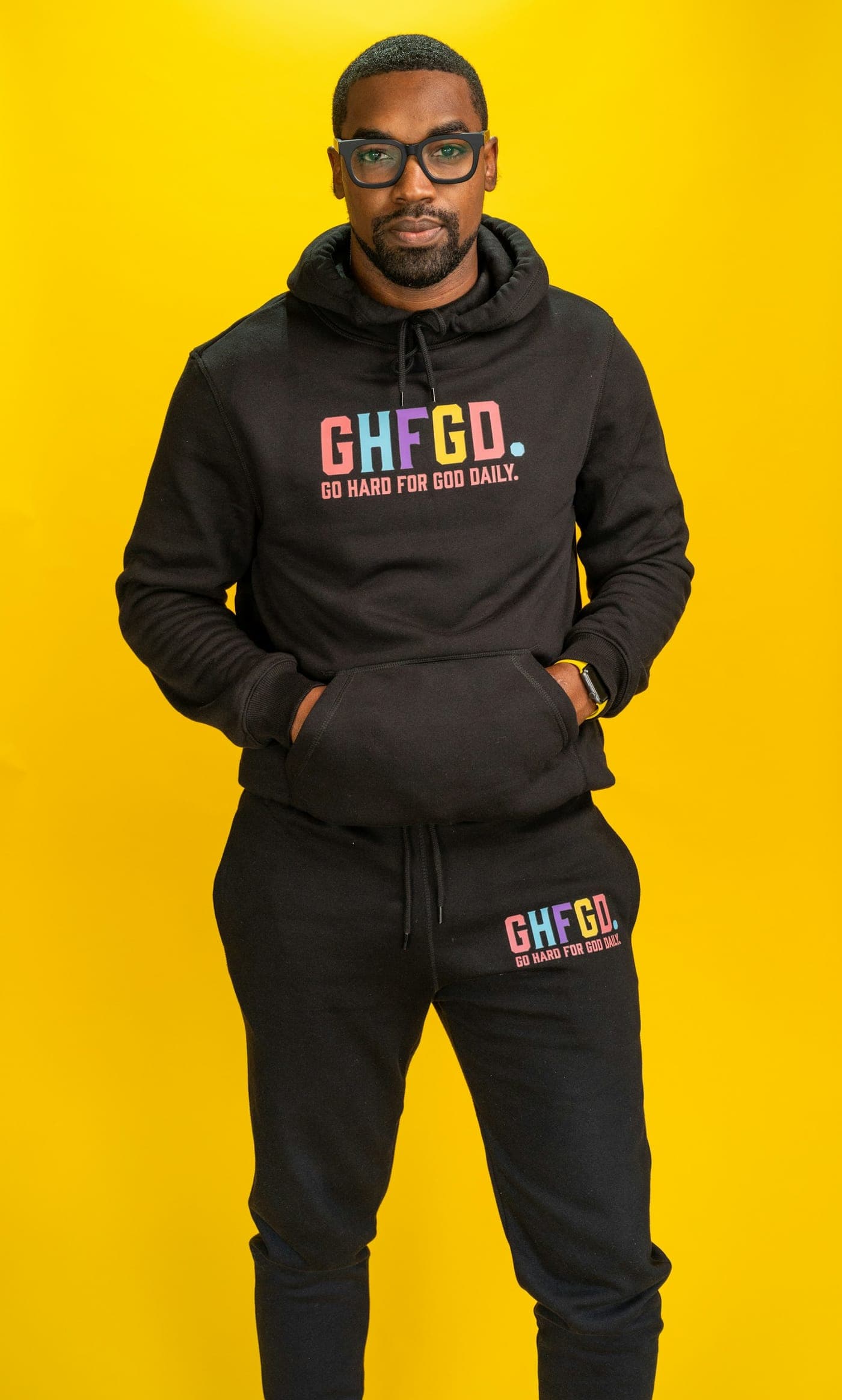
The first customers of a clothing brand are not a media problem. They are a product problem with a distribution problem attached. If the sample is still wrong, an ad spends money to show people a garment you cannot honestly ship. Marketing, at the start, is how a specific person hears about a garment you have already approved.
Wait until you can sell the garment you photographed
You can talk about the brand before the sample exists. You should not take prepaid orders for a fit you have not approved, unless you are explicit that the product can still change and you are ready to refund. Most new brands are better off selling the approved sample’s twin: the bulk that matches it.
That sequence is the one in how to start a clothing brand. Brief, sample, approve, then show it. How to order the first sample is the gate. Marketing before that gate is a mood board.
Name the first ten people
“Anyone who likes good clothes” will not reply. Write ten real descriptions, or ten real names if you have them. A college basketball captain who needs warmups. A shop owner who already buys heavyweight blanks. Friends who ask where your hoodie is from and would pay the price you wrote down, not a discounted imaginary price.
The description decides the channel. Shop owners do not discover you the same way a person scrolling at midnight does. If your first ten are buyers with a store, you need a line sheet and a lead time. If they are individuals, you need a page, a photo, a price, and a way to pay or to write to you.
Photograph the garment you will ship
Use the approved sample or the bulk, on a body and on a table. Include the details a careful customer asks about: the fleece or jersey, the rib, the stitch, the label, the wash if there is one. Natural light and a clean background beat a filter that changes the color you will be asked to match in a complaint.
Do not illustrate the product with a factory’s generic catalog photo, and do not illustrate the factory with a photo that is not yours. If you manufacture with a workshop that publishes its own floor, you can link to that record when a wholesale buyer asks where it is made. You should not crop someone else’s sewing line into your ad. For this factory, the sewing floor, sampling room, and finishing tables are on the factory page. That page is evidence of a workshop. It is not a lifestyle campaign.
Labels and packing are part of the photograph if they are part of the product. A woven label and a hangtag are often the first branded objects a customer touches. Specify them in customization before you shoot the “final” images, or you will reshoot.
Pick one channel and a plain offer
One channel done properly will outperform three channels updated when you remember. Choose from how your first ten people already pay attention.
- A simple product page or a short PDF for people who asked. Price, sizes, fabric in one sentence, and how to order.
- A direct message or email to those ten people, with the photos and the real lead time.
- A wholesaler conversation: cost, suggested retail if you want to share it, minimum, and the date you can ship after approval.
- A single social account, posting the garment rather than slogans about the industry. Answer questions about fabric and fit in the comments. Those answers are the selling copy.
Paid ads can wait until a stranger has bought from the page without a conversation. If the only sales are from people you already know, fix the photos, the price, or the product before you rent an audience. An ad will not correct a fleece you dislike.
Wholesale and direct are different jobs
Direct customers forgive a small brand’s slightly slow email if the garment is what you described. Wholesale buyers do not forgive a missed ship date, because their floor is planned. If you sell both, give the buyer the same spec you gave the factory, and do not promise a date the factory has not confirmed in writing.
Your minimum is part of the wholesale story. If hoodies are quoted from about 100 pieces per color, you cannot offer a shop 20 pieces of each of six colors unless the factory has agreed that exception. Say the real number. Inventing a low minimum to open the account creates a production problem you will pay for later.
The product you are offering should match a category you can actually develop. Hoodies, T-shirts, bottoms, streetwear, and sportswear are different cloths and different minimums. A line sheet that mixes them without checking fabric is a list of hopes.
What to say about the product
Use the sentence you locked with the factory: fiber, construction, weight, and fit. “Heavy cotton fleece hoodie, about 460 GSM, dropped shoulder, rib cuff” is something a customer can judge. “Premium elevated essentials” is something every brand says. The specific sentence also keeps your photos honest. If you change the GSM at the reorder, change the sentence.
Talk about the limits. Made to order means a wait. A small color run means a color can sell out. Customers who wanted a commodity basic will leave, and that is useful information. Customers who wanted this garment will stay.
A first-customer sequence
- Approve the sample, including fabric and the label if the label is in the photos.
- Photograph that garment. Write the fiber, weight, fit, price, and lead time on one page.
- Send it to the ten people you named. Ask for the order or a clear no.
- If you are selling wholesale, send the same page with the minimum per color and the ship window.
- Collect the reasons people hesitate. Fit, price, and timing are production issues. Silence is often a photo or a wrong audience.
- Place bulk only for what you can pay for, store, and have already described accurately.
- After the first delivered orders, ask what they noticed in the hand. Feed that into the next sample, not into a new logo.
When those orders are real, the factory conversation is a production brief, not a marketing brief. Custom manufacturing is how the approved sample becomes a repeatable bulk order. Keep the approved garment. The next season’s customers are easier to find when the product in the photo is the product in the carton.